Wednesday night, scribbled while people were still logging in
These are loose notes from our community night, written the way I wrote them: in the margin of whatever was open, sometimes mid-sentence. We are a small mixed group of friends, cousins and a few people who wandered in through the group finder and never left. Wednesday is our fixed evening, and several people asked me how we keep it from turning into chaos, so here is the best I can reconstruct.
Before anyone pulls
Sign-up happens in a shared channel on Monday. Not a form, just a message that says who is in and what role they would like. Tanks and healers are scarce, and nobody has ever complained about being thanked in advance for showing up with a spare role.
At the start of the evening, one person (rotating) reads out the plan: which dungeons, whether we do the raid, who is responsible for the summon, who is bringing food to the voice channel. It takes a couple of minutes and prevents about half the arguments.
One habit I want to defend: we log in early and spend ten minutes doing nothing in particular. People repair gear, rearrange bags, check the vendor for anything useful, and chat about their week. It sounds like wasted time, but it is the glue. Groups that rush straight to the first pull tend to treat each other like tools.

The rotation
We alternate. One week is Mythic+ keys, the next is the raid, and in between we do delves for people who cannot commit to a full group. Someone suggested we should always raid, but the keys keep newer players moving, and that matters more than a perfect schedule.
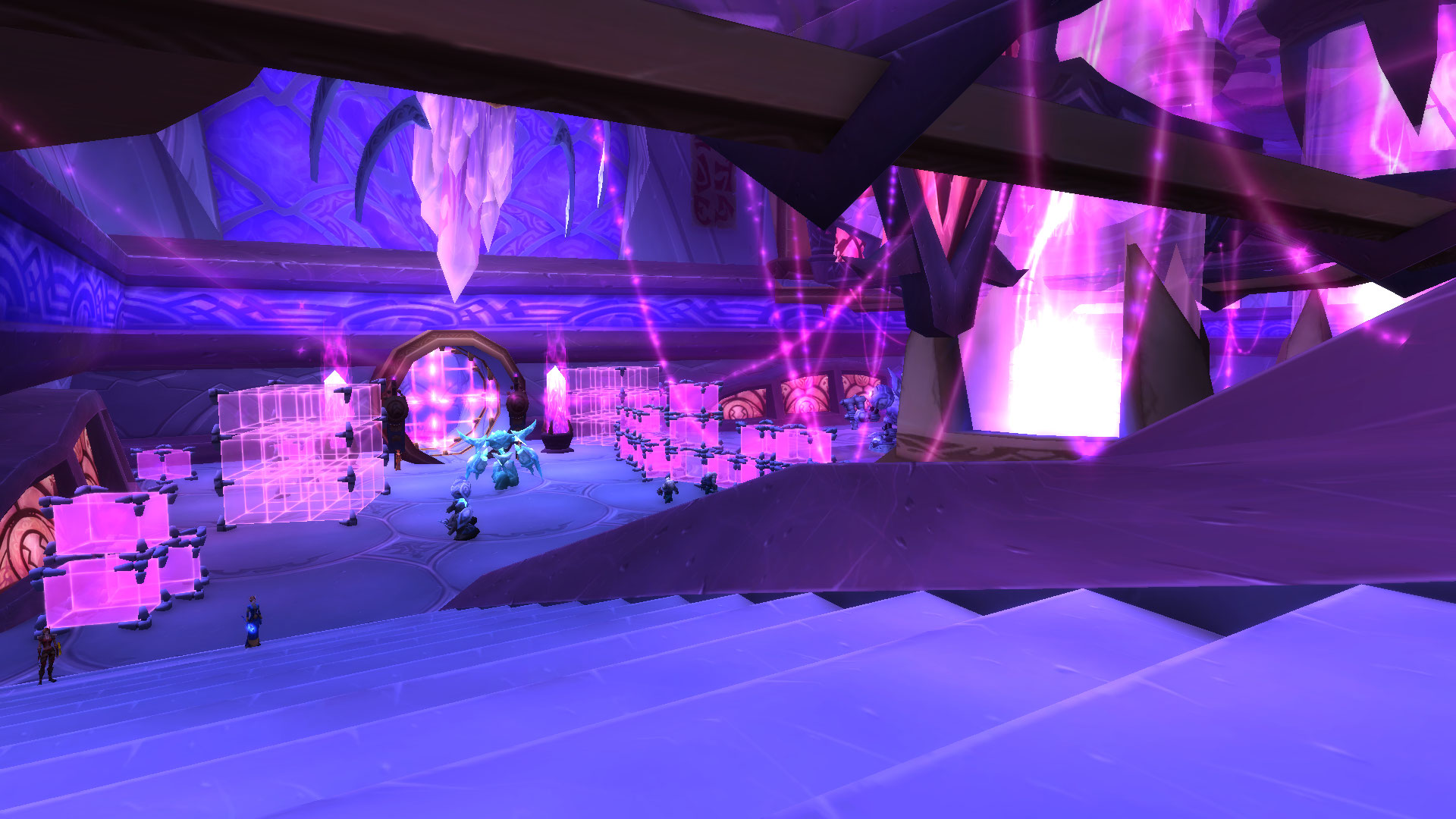
For the raid we use Venomous Abyss, the eight-boss place, and we treat the earlier bosses as a warm-up. If the Voidspire comes up because someone needs a piece of gear from it, we go back for that too, no fuss.
Between bosses in the raid we keep the voice channel open but quiet. A raid leader who talks nonstop wears everyone down, so we agreed that only the leader and the person assigned to a mechanic speak during a pull. Questions go in text. It took two weeks to stick, and now it feels like second nature.
On roles and who explains what
We do not hand out jobs by seniority. We hand them out by who understands the encounter best this week. A newer player might have watched a guide and noticed something the veterans forgot, and the voice channel is better when that person says it out loud. The only rule is that the explainer keeps it short.
A newer player asked what happens if the explainer is wrong. Then we find out together, we wipe once, and someone adjusts. Nobody has been criticised for guessing wrong in good faith, and I think that is why people volunteer at all.
Gear talk, briefly
Crests came up. Everyone has a different opinion on where to put them, so we settled on a short rule: upgrade the item you will be wearing the longest. Weapons and trinkets first, filler pieces later. A few of us rely on crafting orders for specific slots, and the person who crafts for the group gets first pick of a good snack.

Item level checks for our own runs are friendly rather than strict. We ask people to link what they are wearing so we can adjust the dungeon we choose. If someone is a bit behind, we pick a lower key and let them catch up through the group, not through shame.
A side conversation worth keeping
Halfway through the evening, two newer members asked about World of Warcraft Boosting. They had seen it mentioned in a trade channel and wondered whether it was something people really use. Nobody in our group has made a habit of it, but several veterans said they know players who choose it when their schedule is tight and they want a specific piece of content handled while they play something else. The tone was curious, not judgmental. We moved on, because the keys were waiting.
I wrote down one thing from that talk: whatever you pick, decide what you want out of the evening first. If the point is to hang out with friends, shortcuts matter less. If the point is to finish a checklist, they matter more. Both are valid.
Another thing that came up: some people feel pressure to keep pace with friends who play more hours. We talked about it openly. The answer was not to match their hours but to pick the one weekly activity that matters most to you and do that well. Delves fill the gaps, dungeons give structure, and the raid is the weekly event. Nobody does all of it perfectly.
What went wrong, because something always does
The summon was late. The healer disconnected during the second boss. We lost ten minutes to a debate about whether a boss mechanic was bugged (it was not, it was just unclear). Nobody left angry. That is the thing I am proudest of.
Afterwards, we talked about how to communicate better. The result: one shared message pinned in the channel that lists the mechanics we always forget. It is already half full.
Someone else suggested we write down the strangest moment of each week, which is how I ended up recording that a tank once pulled the entire second room because the pack looked lonely. We still bring it up.
Quick hits
- Keep the group small enough that everyone gets a chance to speak.
- Rotate who leads, so nobody burns out.
- Praise people for specific things, not general vibes.
- End on time. People remember a good ending.
Season 2, in two sentences
The new season has made our keys feel fresh again, partly because the dungeon pool is different and partly because people are chasing different goals. We are not rushing, and that suits us.
Our Season 2 plan is deliberately modest. Everyone wants a better trinket, a few want a different weapon, and a couple of us want nothing except the company. Mixing those goals is the hard part of running a community night, and also the most rewarding.
Next Wednesday
We will try something a bit harder. A couple of people want to push keys, a couple want to go back to the raid, and one wants to run a delve with the rest watching. We will vote, then we will do all three if time allows. Probably it will not. That is fine.
Last note before I close this document: thank the person who organises your group. It is more work than it looks, and it usually goes unnoticed until it stops.