
Warlords of Draenor remains one of the most debated expansions — admired for its strong art direction and world-building, yet criticized for content gaps and pacing issues. Over time, however, many players have revisited its legacy with more nuanced eyes. Beneath the early frustrations lies a foundation of modern design ideas, storytelling techniques, and world presentation that shaped future expansions. Its influence still echoes through core systems and narrative philosophy today.
This article examines why Warlords of Draenor, despite its flaws, left a lasting legacy that continues to inform modern design.
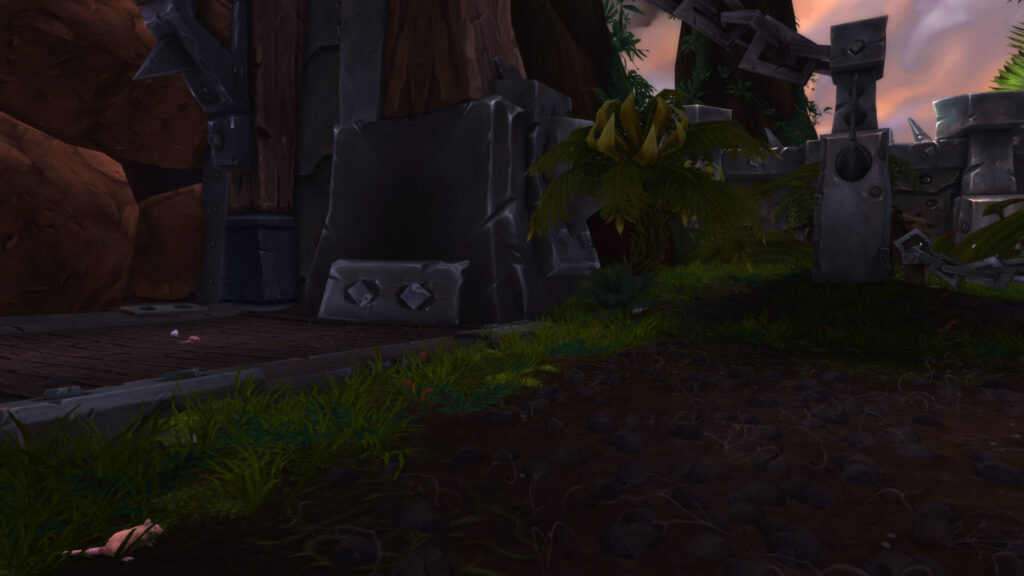
A World Built With Cinematic Precision
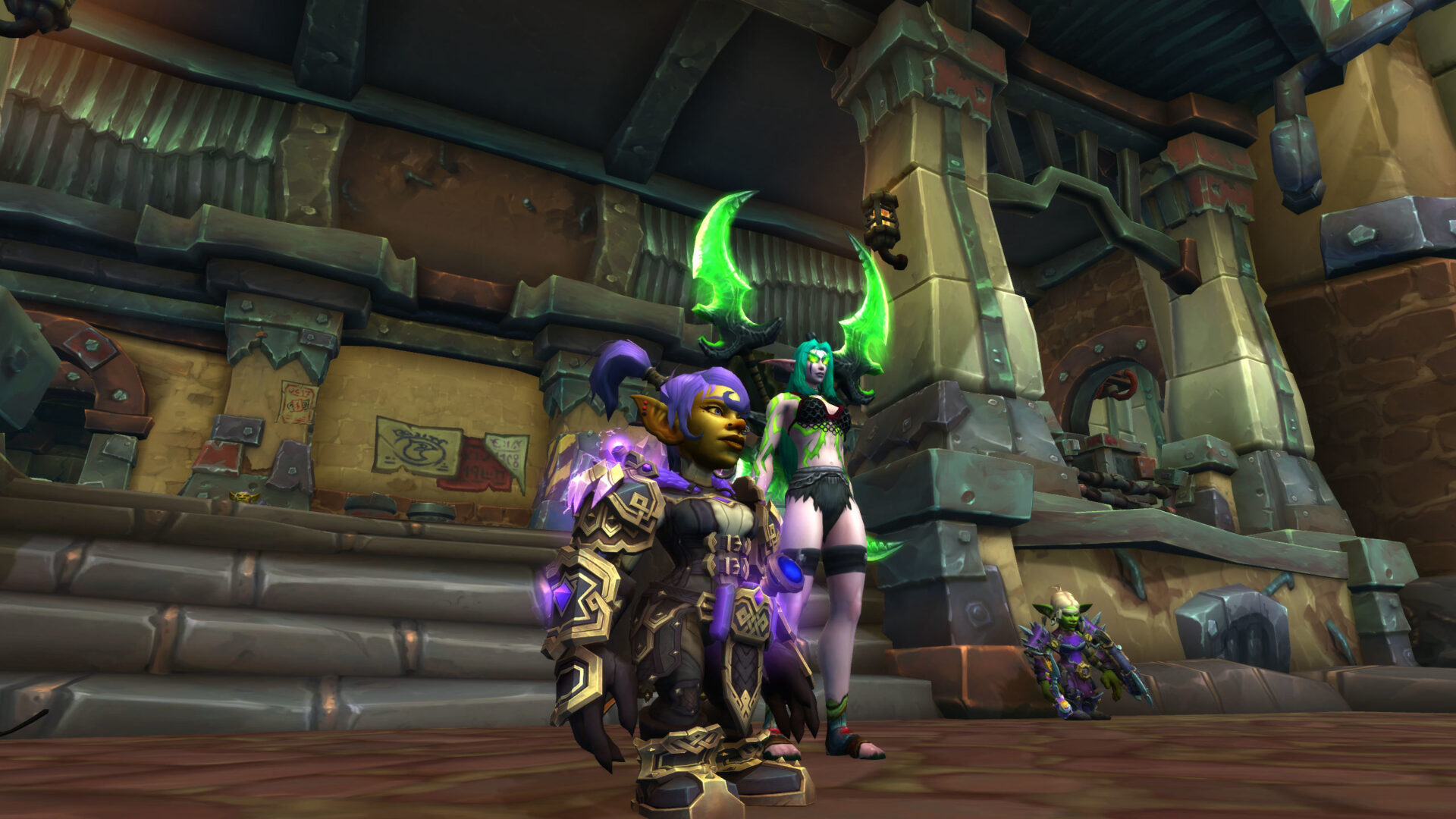
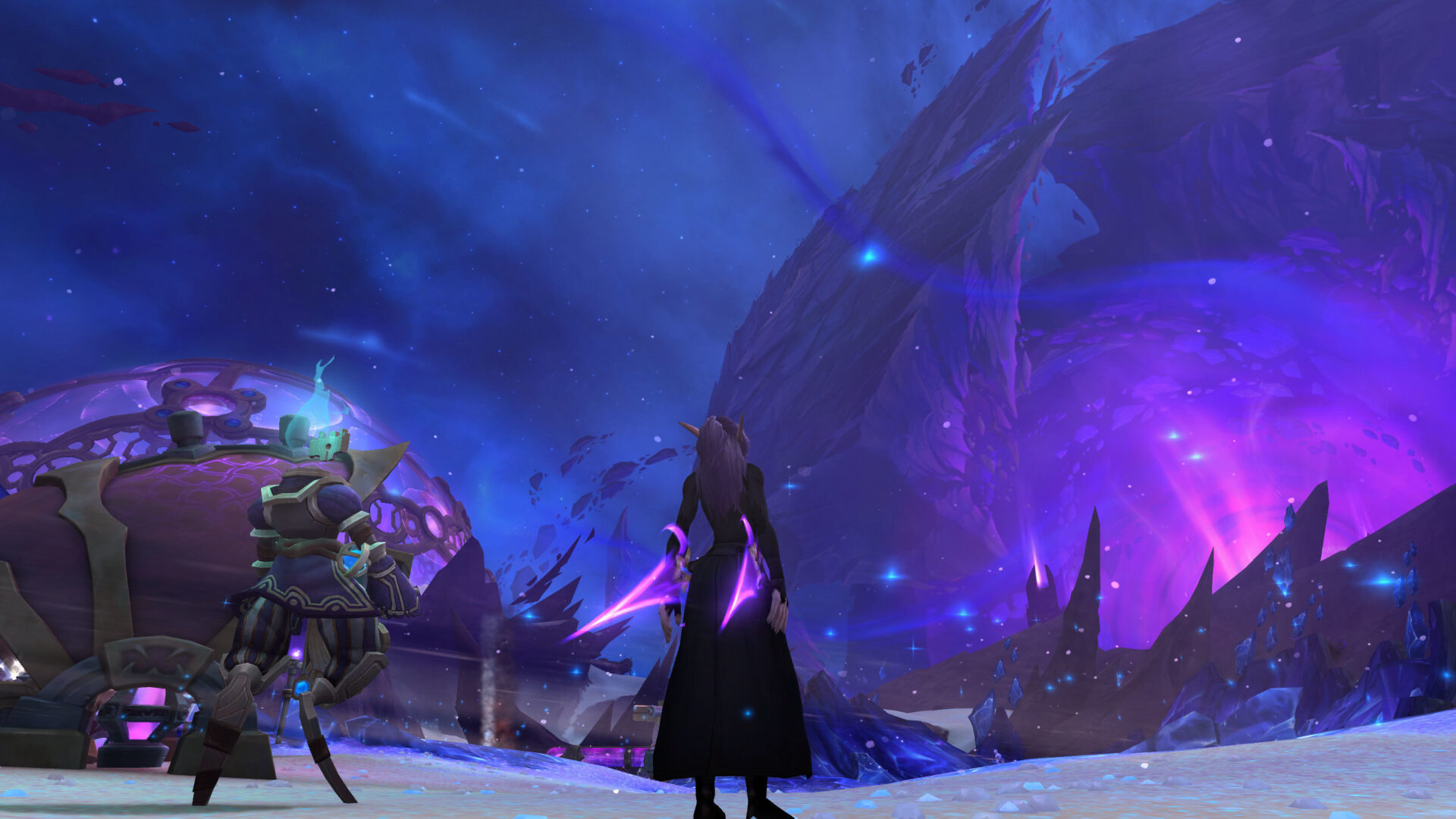
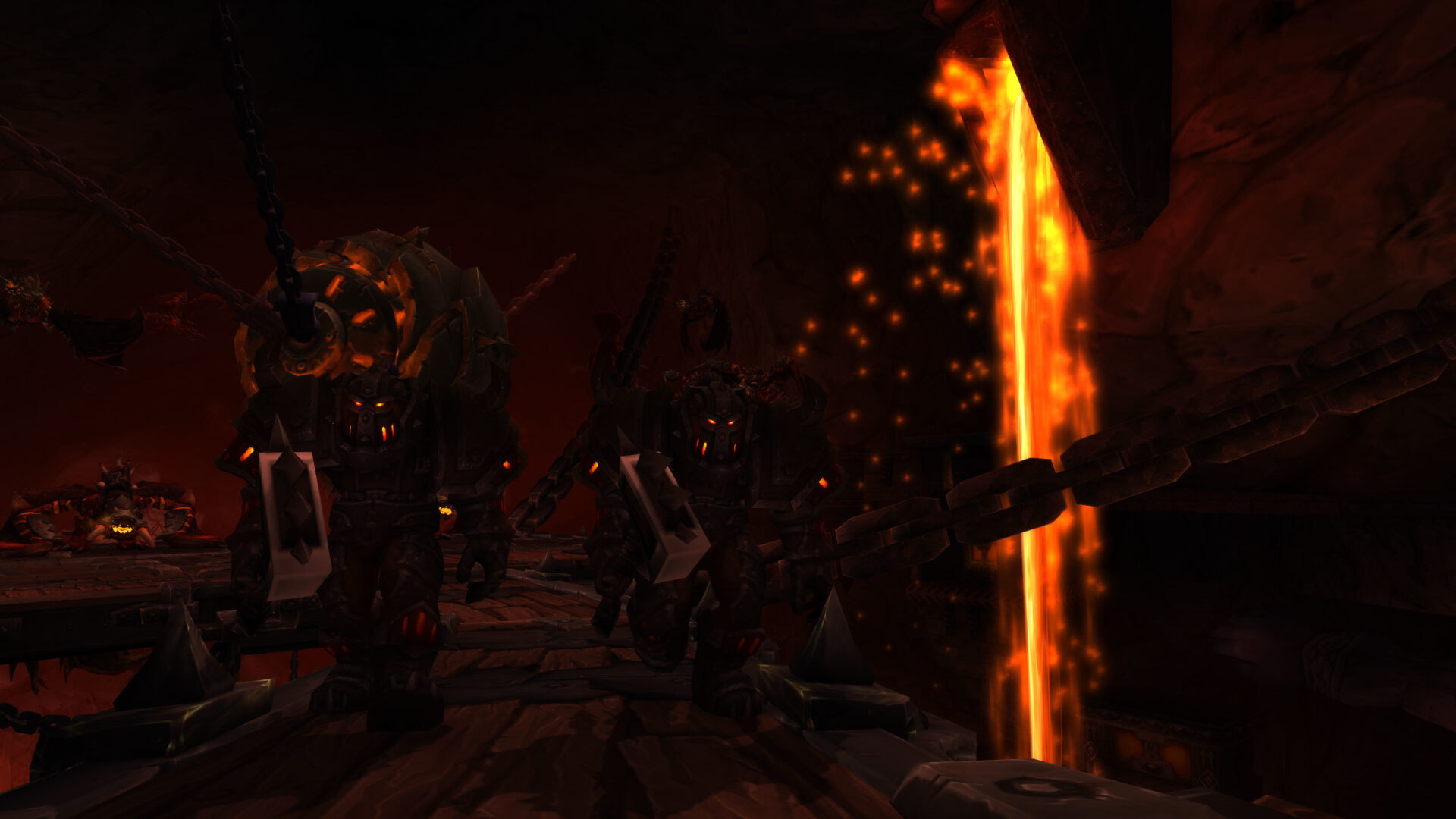
Draenor’s zones showcased remarkable attention to detail, environmental storytelling, and dynamic landscapes. Each zone carried a strong identity — from the frost-torn peaks of Frostfire Ridge to the lush, haunted jungles of Tanaan. These environments set a new benchmark for visual storytelling, inspiring design approaches later seen in Legion, BfA, and Dragonflight.
Draenor’s land felt ancient, volatile, and alive.
Stronger Character Development Through Focused Storytelling
Warlords of Draenor offered deep character arcs for major figures such as Grommash, Durotan, Yrel, and Ner’zhul. Despite criticisms of the broader plot direction, individual storylines carried emotional weight and showcased the potential of focused, character-driven storytelling. This approach became a foundation for future expansions that prioritized personal stakes over cosmic scale.
To illustrate this shift, here is a brief comparison of narrative focus across eras:
| Expansion | Narrative Style | Primary Strength |
|---|---|---|
| Warlords of Draenor | Character-focused arcs | Villain depth and cultural identity |
| Legion | Faction-wide heroism | Class identity and world stakes |
| Battle for Azeroth | Political conflict | Cultural exploration and division |
| Dragonflight | Exploration and renewal | Cultural revival and personal choice |
The Garrison Experiment: Ambition With Imperfect Execution
The Garrison system remains one of the expansion’s most controversial features. While criticized for isolating players from the world, the system introduced ideas that influenced later housing, mission tables, profession hubs, and class hall development. Its core concept — a personal home base that evolves with progression — continues to inspire modern community discussion about ownership and customization.
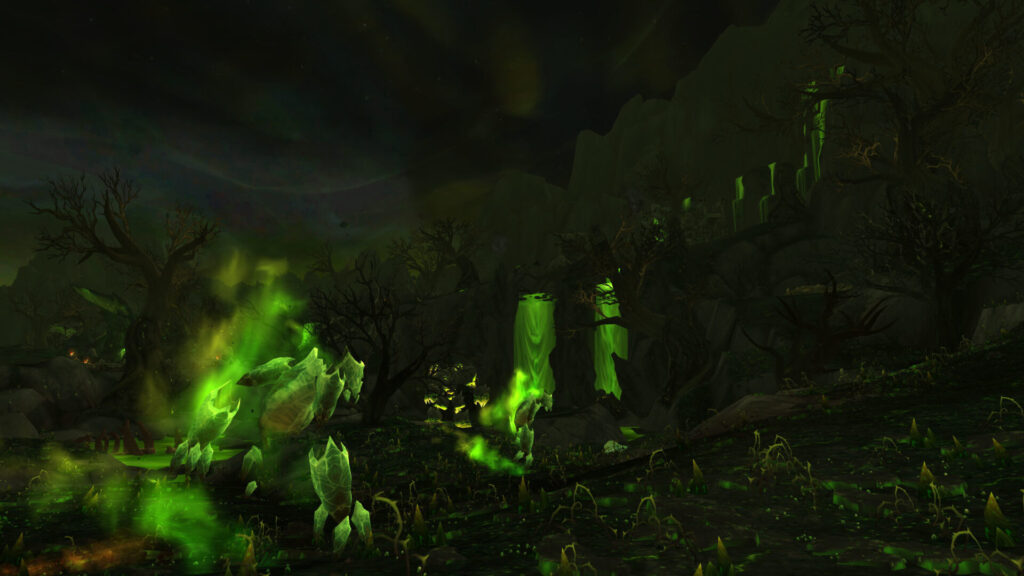
Its ambition shaped future systems despite its flaws.
A Case Study in Content Pacing
One of the expansion’s biggest challenges came from its pacing. Long gaps between major patches created frustration and overshadowed many strengths. However, these pacing issues served as important lessons for future expansions. More consistent patch cycles, staggered content releases, and clearer communication emerged in response to the difficulties faced during Warlords’ lifespan.
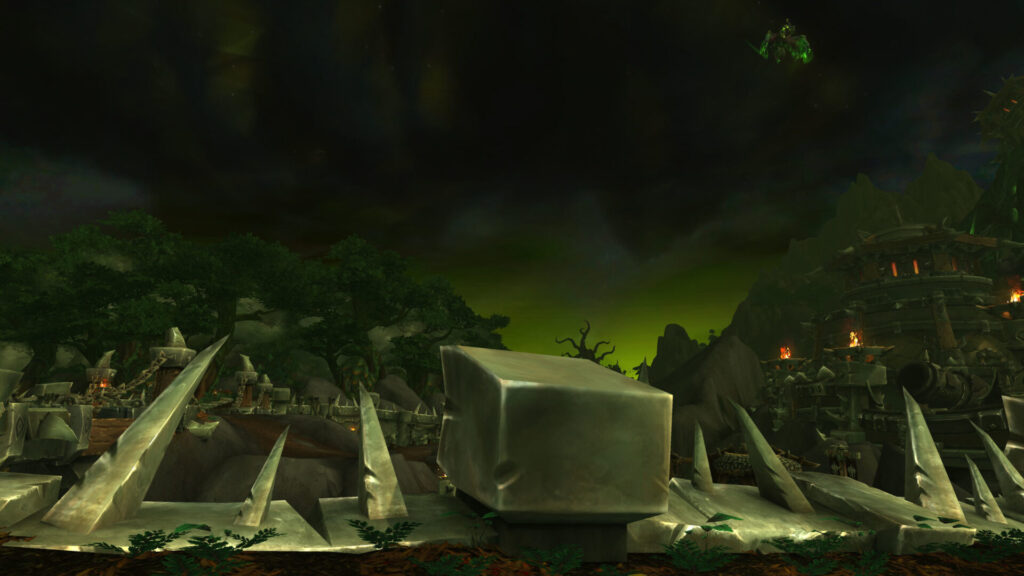
Its shortcomings refined the structure of future expansions.
Why the Expansion’s Legacy Feels Stronger Today
Over time, players have reassessed Warlords of Draenor through a modern lens. Its art design stands among the strongest ever created. Its storytelling seeded major future arcs. Its systems influenced both successful and experimental features in later expansions. What once felt like a controversial chapter now appears as a stepping stone toward deeper world-building and system refinement.
Its influence lingers because its ideas were ahead of their time.
Conclusion
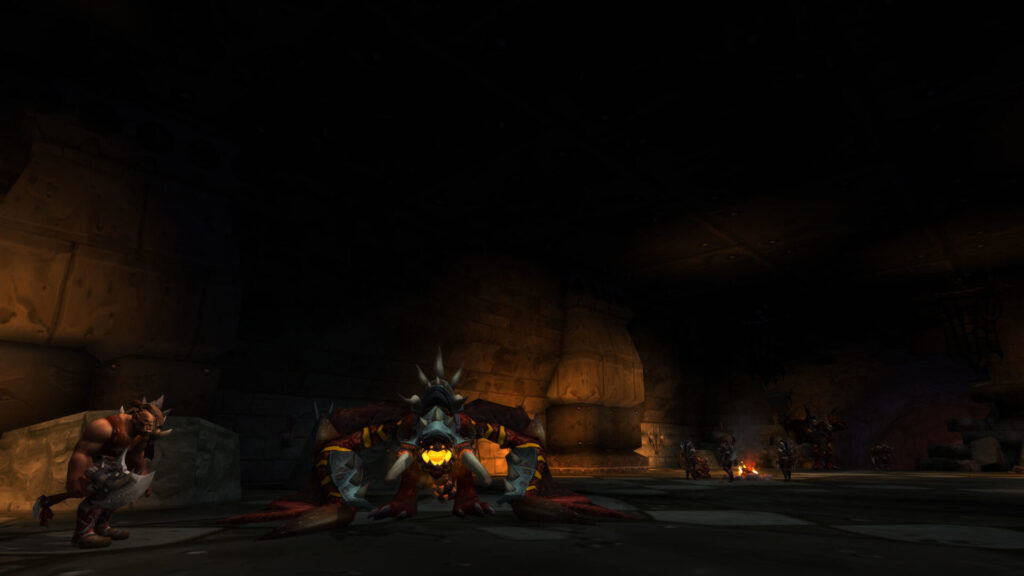
Warlords of Draenor may remain misunderstood, but its legacy is undeniable. Through bold world-building, character-driven storytelling, experimental systems, and lessons learned from its challenges, the expansion shaped the direction of future design. Its failures taught as much as its successes, leaving behind a blueprint that still influences the game today. In hindsight, Warlords stands as a reminder that even flawed expansions can drive meaningful evolution.